CPAP vs APAP vs. BiPAP: Which Sleep Apnea Therapy Is Right for You?

August 8, 2023
View Source

If you've recently been diagnosed with sleep apnea or are struggling with your current therapy, you may be wondering which type of PAP (positive airway pressure) therapy may be right for you. PAP therapy, delivered nightly via a PAP machine, is the gold-standard treatment for obstructive sleep apnea (OSA), with millions of Americans currently using these devices.

There are three main types of therapy: continuous positive airway pressure (CPAP), automatic positive airway pressure (APAP), and bilevel positive airway pressure (BiPAP). Understanding the differences can feel overwhelming, but this guide will help you navigate your options.

Whether you're just starting therapy or looking to switch machines, we'll help you discover what's available and provide guidance on working with sleep medicine specialists to find your ideal fit.

Understanding PAP Therapy for Sleep Apnea

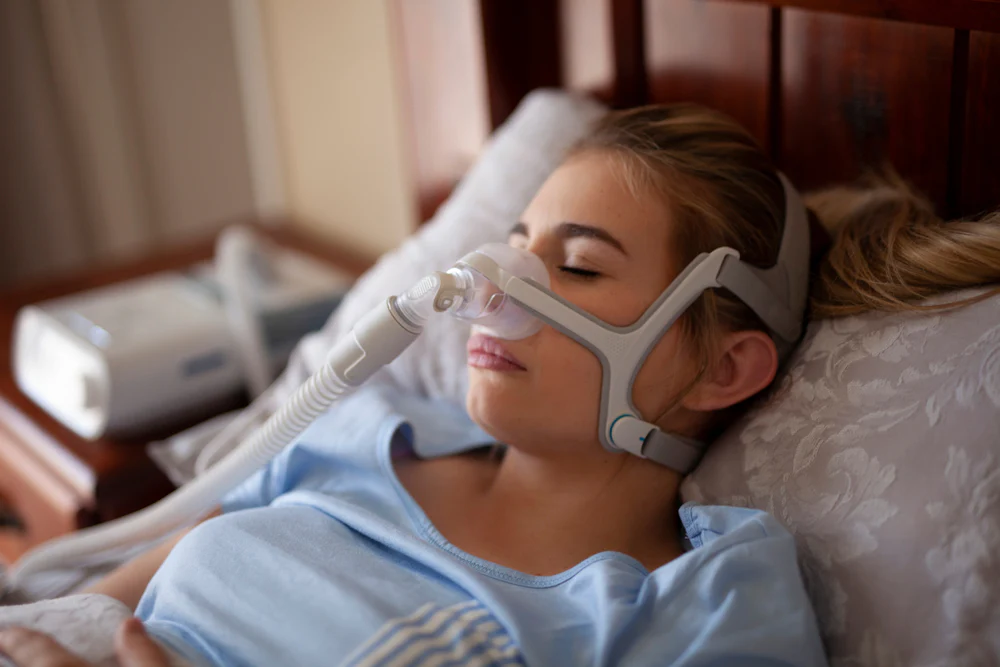
PAP therapy works by delivering pressurized air through a mask to keep your airway open during sleep. This prevents the breathing interruptions that occur with sleep apnea, ensuring that your body gets enough oxygen all night long. While all three machine types share this basic function, they deliver air pressure differently throughout the night.

The machine that works perfectly for your friend or family member might not be ideal for you. Your body's specific needs, sleep patterns, and comfort preferences all play crucial roles in determining which option will help you achieve better sleep and improved health outcomes.

CPAP (Continuous Positive Airway Pressure)

What Is CPAP?

CPAP machines are the most common and widely prescribed sleep apnea treatment. These devices deliver a continuous stream of pressurized air at one fixed pressure setting throughout the night. This constant airflow prevents your airway from collapsing during sleep. Based on your sleep study results, your sleep specialist will set a pressure for you to start with, which may be adjusted over time depending on how you respond.

APAP (Automatic Positive Airway Pressure)

What is APAP?

Rather than being a type of machine, APAP is a setting used on a CPAP machine to automatically adjust air pressure throughout the night to varying pressure needs. As you change sleeping positions or move through different sleep stages, your airway’s pressure requirements can change. APAP delivers only the pressure you need at any given moment. It increases pressure when it detects obstructions and decreases when your airway is stable. Your sleep medicine specialist will set the pressure limits that your APAP machine will operate within. 

BiPAP/BPAP (Bilevel Positive Airway Pressure)

What is BiPAP?

BiPAP machines automatically deliver two different pressure levels: a higher pressure when you inhale called inhalation positive airway pressure (IPAP). Then, there is a lower pressure when you exhale, called expiratory positive airway pressure (EPAP). This dual-pressure system can make breathing feel more natural and comfortable, especially for those who struggle with CPAP's constant pressure. In addition, BiPAP machines are often used in individuals who have additional conditions besides sleep apnea, such as Chronic Obstructive Pulmonary Disease (COPD), Congestive Heart Failure ( CHF), severe asthma, and others.

How Do I Know Which Therapy is Right for Me?

Your sleep medicine clinician will help determine which PAP therapy is right for you: CPAP, APAP, or BiPAP. After your home sleep test or in‑lab study, you will review your results in your follow up appointment. Your PAP therapy recommendation will be based on a number of factors including apnea severity, oxygen levels, and other health conditions. It is also common to need to change therapies after starting - for example, switching from APAP to CPAP, or CPAP to BiPAP.

What if I am Having a Hard Time Adjusting to My Machine?

It takes time to get used to sleeping with a PAP machine, no matter which one you end up with. Meeting with your sleep medicine clinician about 45-60 days after you start your therapy allows for any necessary adjustments and discussion on how the therapy is working for you. You should contact your sleep team immediately however if you notice frequent awakenings, persistent daytime sleepiness, or difficulty tolerating the airflow so they can assist you sooner if needed.​

Different PAP Mask Options

Besides different types of PAP therapies, there are also different types of masks to go along with these. 

  • Full Face Masks: cover the nose and mouth to supply air pressure. Ideal for patients who breathe through the mouth due to congestion or or nasal blockage.
  • Nasal Masks: cover the nose only to supply air pressure. Ideal for patients who move around a lot in their sleep.
  • Nasal Pillow Masks: fit at the nostrils to supply air pressure. Ideal for patients who feel claustrophobic in masks that cover more of the face.
  • Oral Masks: delivers air pressure through the mouth. Ideal for patients who breathe through their mouth or wear glasses.

How PAP Therapy Can Improve Your Health

When used consistently, PAP therapy can:

  • Reduce loud snoring, frequent awakenings, and gasping episodes, which helps you and your bed partner sleep better.​
  • Improve daytime alertness, mood, and concentration
  • Support healthier blood pressure, heart health, and metabolic function over time.​

Many people find it helpful to use a humidifier at night with a PAP machine to reduce mouth and nasal irritation. Most machines are equipped with a built-in humidification option for convenience as well.

Tips for Thriving on PAP Therapy

  1. If you are having trouble with your PAP mask, try wearing it during the day to get used to the feeling of wearing it - such as if napping, relaxing, or reading. This can help if you initially feel claustrophobic while wearing the mask which is very common. 
  2. If you are experiencing a dry, stuffy nose, try tightening the straps on your mask to prevent air from leaking. You can also place a humidifier next to your bed or if your PAP machine has a humidifier, use that.
  3. If you are having difficulty falling asleep, that’s totally understandable! It can take some time to get used to sleeping with your new device. Good sleeping habits can help here. Try exercising regularly, avoiding caffeine and alcohol near bedtime, and limiting screen time before bed.
  4. Last but not least, use your PAP machine every night when you go to bed. This not only helps to avoid delays in starting your treatment, but also can help with establishing a bedtime routine.

Take the Next Step Towards Better Sleep

Choosing between CPAP, APAP, and BiPAPdoesn't have to be overwhelming. Your sleep medicine specialist will guide you through your entire sleep journey. Remember that finding the right machine and mask combination may take time. Be patient with the adjustment process, and communicate openly with your sleep clinician about any discomfort or concerns you may have. 

Ready to start or optimize your sleep apnea treatment? Schedule a telehealth appointment today with Ognomy's sleep medicine specialists and take the first step toward better sleep and better health.


Read Press Article

If you've recently been diagnosed with sleep apnea or are struggling with your current therapy, you may be wondering which type of PAP (positive airway pressure) therapy may be right for you. PAP therapy, delivered nightly via a PAP machine, is the gold-standard treatment for obstructive sleep apnea (OSA), with millions of Americans currently using these devices.

There are three main types of therapy: continuous positive airway pressure (CPAP), automatic positive airway pressure (APAP), and bilevel positive airway pressure (BiPAP). Understanding the differences can feel overwhelming, but this guide will help you navigate your options.

Whether you're just starting therapy or looking to switch machines, we'll help you discover what's available and provide guidance on working with sleep medicine specialists to find your ideal fit.

Understanding PAP Therapy for Sleep Apnea

PAP therapy works by delivering pressurized air through a mask to keep your airway open during sleep. This prevents the breathing interruptions that occur with sleep apnea, ensuring that your body gets enough oxygen all night long. While all three machine types share this basic function, they deliver air pressure differently throughout the night.

The machine that works perfectly for your friend or family member might not be ideal for you. Your body's specific needs, sleep patterns, and comfort preferences all play crucial roles in determining which option will help you achieve better sleep and improved health outcomes.

CPAP (Continuous Positive Airway Pressure)

What Is CPAP?

CPAP machines are the most common and widely prescribed sleep apnea treatment. These devices deliver a continuous stream of pressurized air at one fixed pressure setting throughout the night. This constant airflow prevents your airway from collapsing during sleep. Based on your sleep study results, your sleep specialist will set a pressure for you to start with, which may be adjusted over time depending on how you respond.

APAP (Automatic Positive Airway Pressure)

What is APAP?

Rather than being a type of machine, APAP is a setting used on a CPAP machine to automatically adjust air pressure throughout the night to varying pressure needs. As you change sleeping positions or move through different sleep stages, your airway’s pressure requirements can change. APAP delivers only the pressure you need at any given moment. It increases pressure when it detects obstructions and decreases when your airway is stable. Your sleep medicine specialist will set the pressure limits that your APAP machine will operate within. 

BiPAP/BPAP (Bilevel Positive Airway Pressure)

What is BiPAP?

BiPAP machines automatically deliver two different pressure levels: a higher pressure when you inhale called inhalation positive airway pressure (IPAP). Then, there is a lower pressure when you exhale, called expiratory positive airway pressure (EPAP). This dual-pressure system can make breathing feel more natural and comfortable, especially for those who struggle with CPAP's constant pressure. In addition, BiPAP machines are often used in individuals who have additional conditions besides sleep apnea, such as Chronic Obstructive Pulmonary Disease (COPD), Congestive Heart Failure ( CHF), severe asthma, and others.

How Do I Know Which Therapy is Right for Me?

Your sleep medicine clinician will help determine which PAP therapy is right for you: CPAP, APAP, or BiPAP. After your home sleep test or in‑lab study, you will review your results in your follow up appointment. Your PAP therapy recommendation will be based on a number of factors including apnea severity, oxygen levels, and other health conditions. It is also common to need to change therapies after starting - for example, switching from APAP to CPAP, or CPAP to BiPAP.

What if I am Having a Hard Time Adjusting to My Machine?

It takes time to get used to sleeping with a PAP machine, no matter which one you end up with. Meeting with your sleep medicine clinician about 45-60 days after you start your therapy allows for any necessary adjustments and discussion on how the therapy is working for you. You should contact your sleep team immediately however if you notice frequent awakenings, persistent daytime sleepiness, or difficulty tolerating the airflow so they can assist you sooner if needed.​

Different PAP Mask Options

Besides different types of PAP therapies, there are also different types of masks to go along with these. 

  • Full Face Masks: cover the nose and mouth to supply air pressure. Ideal for patients who breathe through the mouth due to congestion or or nasal blockage.
  • Nasal Masks: cover the nose only to supply air pressure. Ideal for patients who move around a lot in their sleep.
  • Nasal Pillow Masks: fit at the nostrils to supply air pressure. Ideal for patients who feel claustrophobic in masks that cover more of the face.
  • Oral Masks: delivers air pressure through the mouth. Ideal for patients who breathe through their mouth or wear glasses.

How PAP Therapy Can Improve Your Health

When used consistently, PAP therapy can:

  • Reduce loud snoring, frequent awakenings, and gasping episodes, which helps you and your bed partner sleep better.​
  • Improve daytime alertness, mood, and concentration
  • Support healthier blood pressure, heart health, and metabolic function over time.​

Many people find it helpful to use a humidifier at night with a PAP machine to reduce mouth and nasal irritation. Most machines are equipped with a built-in humidification option for convenience as well.

Tips for Thriving on PAP Therapy

  1. If you are having trouble with your PAP mask, try wearing it during the day to get used to the feeling of wearing it - such as if napping, relaxing, or reading. This can help if you initially feel claustrophobic while wearing the mask which is very common. 
  2. If you are experiencing a dry, stuffy nose, try tightening the straps on your mask to prevent air from leaking. You can also place a humidifier next to your bed or if your PAP machine has a humidifier, use that.
  3. If you are having difficulty falling asleep, that’s totally understandable! It can take some time to get used to sleeping with your new device. Good sleeping habits can help here. Try exercising regularly, avoiding caffeine and alcohol near bedtime, and limiting screen time before bed.
  4. Last but not least, use your PAP machine every night when you go to bed. This not only helps to avoid delays in starting your treatment, but also can help with establishing a bedtime routine.

Take the Next Step Towards Better Sleep

Choosing between CPAP, APAP, and BiPAPdoesn't have to be overwhelming. Your sleep medicine specialist will guide you through your entire sleep journey. Remember that finding the right machine and mask combination may take time. Be patient with the adjustment process, and communicate openly with your sleep clinician about any discomfort or concerns you may have. 

Ready to start or optimize your sleep apnea treatment? Schedule a telehealth appointment today with Ognomy's sleep medicine specialists and take the first step toward better sleep and better health.

Download CPAP vs APAP vs. BiPAP: Which Sleep Apnea Therapy Is Right for You?

Message received!

A member of the Ognomy Sleep team will be in contact with you soon about next steps.
Oops! Something went wrong while submitting the form.